Beside Ourselves
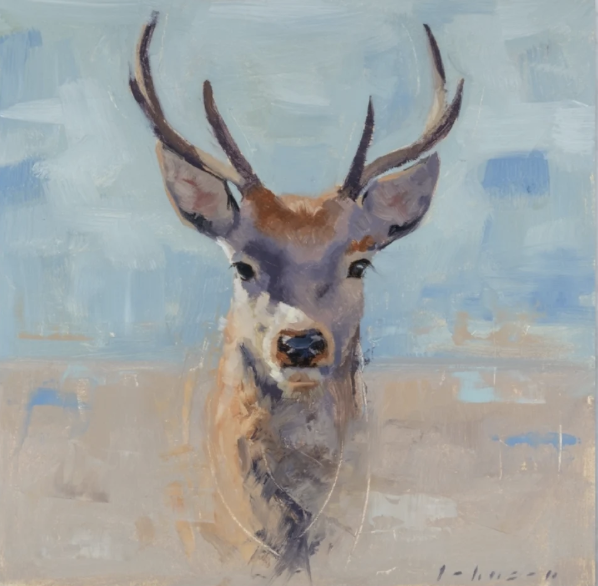
Driving home from the farmstand recently, I pass an SUV pulled over and a woman kneeling by the edge of the road. In the bitter 5 pm darkness I can see that she hit a deer.
I park and jump out. A buck—he can’t be more than a year old—lies on his side, eyes frantic and darting, back legs scrambling to get purchase under him. The sobbing young woman tells me she’s home from college for the weekend and just went out for a quick errand.
She is beside herself.
Beside herself. Not part of herself. Some part of her is outside and witnessing what is happening.
I kneel down beside her. Her brother, who was in the car, brings over a water bottle. He angles it at the deer’s mouth, trying to get him to drink. The water pours onto the ice. The deer is not drinking. His breathing grows more and more shallow and rapid.
I call the police to tell them our location and what happened. The traffic is heavy on this little sideroad. Cars drive by slowly, necks crane to see what’s going on.
“No one else stopped–why didn’t anyone stop?!” The young woman is sobbing. “I can’t believe this happened! I love animals–I’m an animal lover!” Over and over, “But this can’t be happening–I love animals!”
I look at the cars passing and realize that on most days, I would have booked myself too tight and not be able to slow down. I would want to stop, but I would have to get to the next thing. Feeling terrible, I would be one of the ones to drive by.
I keep one hand on her back and one on the deer, who has stopped thrashing—trying to give them both a little comfort in the bitter dark, all the headlights glaring in our eyes. As I breathe the exhaust of the cars, feel the icey ground digging into my knees, and watch the woman’s sobs racking her body, I know I am inside a sacred moment.
A guy in a truck stops on the opposite side of the road. He cockily stops traffic as he walks across to us.
“I’ll take it home,” he says, pointing at the deer. As he stands there above us, the deer’s warm body arcs in one last spasm and is still.
A cop arrives. He’s very young. He walks over with his hand on his revolver, ready to use it. I tell him the deer has died and he doesn’t need to shoot it. I wince as he gives the deer a kick in the haunches to confirm what I’m saying is accurate.
The girl is now fully curled in a ball, weeping. I hug her and tell her it’s going to be ok. He didn’t suffer very long, etc. The things you say in the cold dark night to a young woman who is beside herself–while an unbearably lovely creature crosses the veil.
The cop and the cocky guy each grab a short stubby antler. They drag the body across the road while traffic waits, headlights illuminate the scene. It takes some effort to move a body with all the life gone out of it, the eyes open and blank. On the other side of the road, they bend to grasp the torso and legs and heave the deer into his pickup. The cocky guy drives off—flashing us a trucker wave with his fingers as he does.
The woman’s dad arrives. “This is bad,” he tells me. “She’s such an animal lover.”
I give her a hug and tell her to take a bath or do something good for herself when she gets home.
I drive off. In the rear-view mirror the scene looks cold and sad. Holy.
Whenever I go to the farmstand, I look over at that spot and say a few words to that buck. I remember the final spark of his life. I remember the young woman.
I want to remember this when I am scheduling my life. Remember the power of what happens when I’m not rushing-rushing-rushing to get to the next thing, worrying my way to get somewhere else.
Because I do not want to live beside myself any longer. I want to be present and inside myself so I can sit down in the cold beside someone, human or otherwise, who needs a hand on their back. I want to remember that the only place I need to be is exactly where life is asking me to show up.
Driving home from the farmstand recently, I pass an SUV pulled over and a woman kneeling by the edge of the road. In the bitter 5 pm darkness I can see that she hit a deer.
I park and jump out. A buck—he can’t be more than a year old—lies on his side, eyes frantic and darting, back legs scrambling to get purchase under him. The sobbing young woman tells me she’s home from college for the weekend and just went out for a quick errand.
She is beside herself.
Beside herself. Not part of herself. Some part of her is outside and witnessing what is happening.
I kneel down beside her. Her brother, who was in the car, brings over a water bottle. He angles it at the deer’s mouth, trying to get him to drink. The water pours onto the ice. The deer is not drinking. His breathing grows more and more shallow and rapid.
I call the police to tell them our location and what happened. The traffic is heavy on this little sideroad. Cars drive by slowly, necks crane to see what’s going on.
“No one else stopped–why didn’t anyone stop?!” The young woman is sobbing. “I can’t believe this happened! I love animals–I’m an animal lover!” Over and over, “But this can’t be happening–I love animals!”
I look at the cars passing and realize that on most days, I would have booked myself too tight and not be able to slow down. I would want to stop, but I would have to get to the next thing. Feeling terrible, I would be one of the ones to drive by.
I keep one hand on her back and one on the deer, who has stopped thrashing—trying to give them both a little comfort in the bitter dark, all the headlights glaring in our eyes. As I breathe the exhaust of the cars, feel the icey ground digging into my knees, and watch the woman’s sobs racking her body, I know I am inside a sacred moment.
A guy in a truck stops on the opposite side of the road. He cockily stops traffic as he walks across to us.
“I’ll take it home,” he says, pointing at the deer. As he stands there above us, the deer’s warm body arcs in one last spasm and is still.
A cop arrives. He’s very young. He walks over with his hand on his revolver, ready to use it. I tell him the deer has died and he doesn’t need to shoot it. I wince as he gives the deer a kick in the haunches to confirm what I’m saying is accurate.
The girl is now fully curled in a ball, weeping. I hug her and tell her it’s going to be ok. He didn’t suffer very long, etc. The things you say in the cold dark night to a young woman who is beside herself–while an unbearably lovely creature crosses the veil.
The cop and the cocky guy each grab a short stubby antler. They drag the body across the road while traffic waits, headlights illuminate the scene. It takes some effort to move a body with all the life gone out of it, the eyes open and blank. On the other side of the road, they bend to grasp the torso and legs and heave the deer into his pickup. The cocky guy drives off—flashing us a trucker wave with his fingers as he does.
The woman’s dad arrives. “This is bad,” he tells me. “She’s such an animal lover.”
I give her a hug and tell her to take a bath or do something good for herself when she gets home.
I drive off. In the rear-view mirror the scene looks cold and sad. Holy.
Whenever I go to the farmstand, I look over at that spot and say a few words to that buck. I remember the final spark of his life. I remember the young woman.
I want to remember this when I am scheduling my life. Remember the power of what happens when I’m not rushing-rushing-rushing to get to the next thing, worrying my way to get somewhere else.
Because I do not want to live beside myself any longer. I want to be present and inside myself so I can sit down in the cold beside someone, human or otherwise, who needs a hand on their back. I want to remember that the only place I need to be is exactly where life is asking me to show up.